
“My colleagues keep sending me unedited AI text”
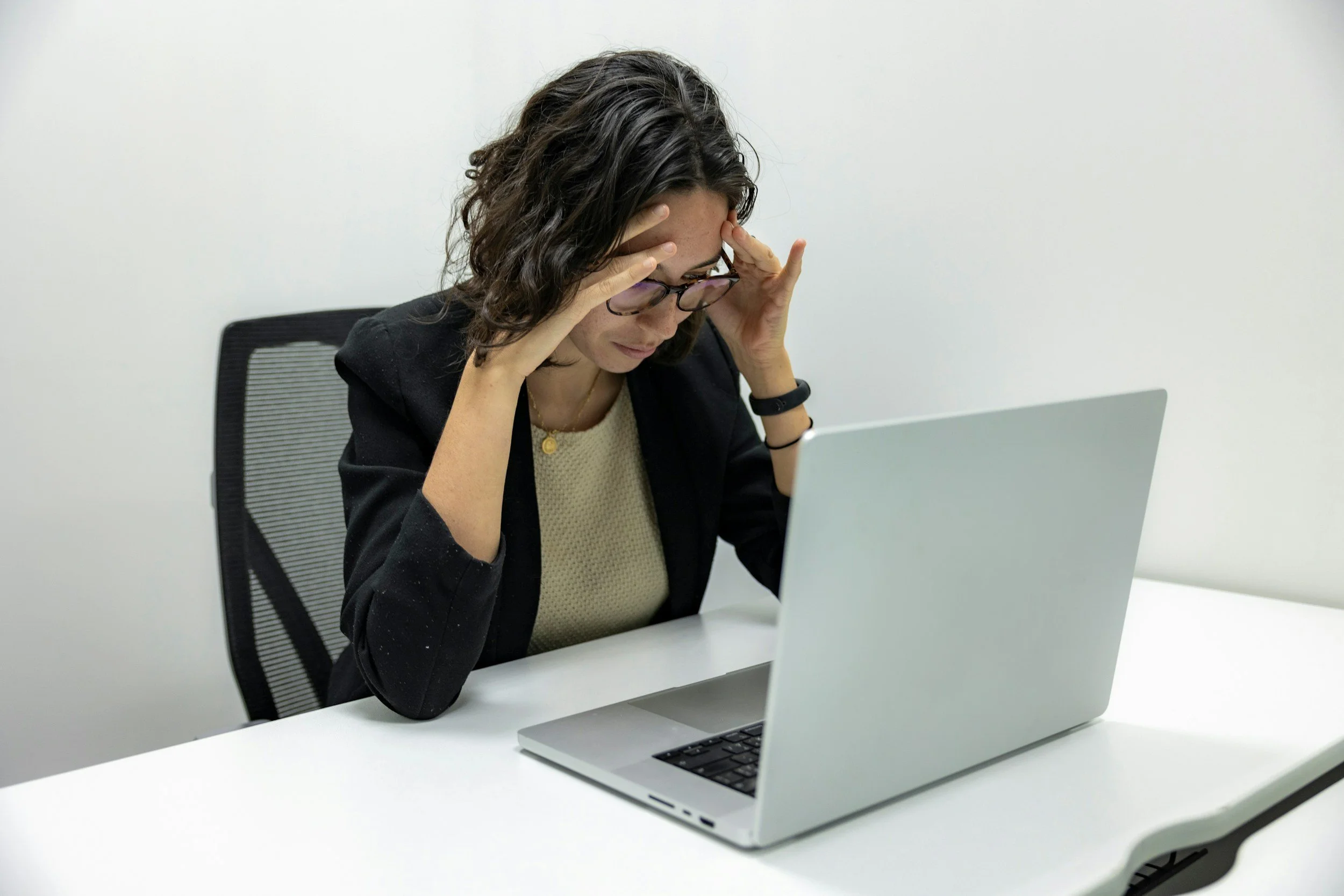
If coworkers are sending you AI-generated work that's unchecked, generic, or plainly wrong, you're dealing with the most disliked AI behaviour in the workplace right now, and the fix is not banning AI. It's a shared checking standard. One person's shortcut becomes another person's rework, and until the team agrees on what "done" means with AI, that rework lands on whoever cares most.
I'm Rafaela Buena. I teach AI to teams in Amsterdam, and this complaint has replaced "I don't know how to use it" as the thing people whisper to me in the break.
The research: this is the thing people hate most
A June 2026 survey by business.com asked 1,050 US workers at AI-using companies which AI behaviours annoyed them most. The top five all described the same pattern: AI used as a replacement for effort rather than support for it. Shipping unchecked work. Passing AI output off as your own. Trusting a chatbot over a colleague's expertise. Sending unedited AI text. Outsourcing your own thinking.
One compliance analyst in the open-ended responses described regularly correcting AI summaries sent by both employees and supervisors in a technical field. Her word was "infuriating."
The survey also found 65% of workers uncomfortable with AI writing performance reviews or feedback. And separately, a 2026 Omni Calculator survey of 913 employees found 68% feel AI-assisted messages are less personal, and 42% see AI-reliant managers as less competent.
So this isn't fussiness. It's a measurable erosion of trust, and it's happening in your inbox.
Why coworkers sending AI-generated work is a systems problem
Nobody sends bad AI output because they're lazy. They send it because three things are missing.
Nobody told them the first draft is a draft. Most people were handed a tool and no method. They typed, they got fluent text, it looked finished, they sent it.
There's no shared standard for "checked." Your idea of done and theirs are different, and neither was ever written down.
The cost lands on someone else. The sender saved ten minutes. The receiver lost thirty. Nobody connected those two facts.
Fix the system and the behaviour changes. Shame the person and it goes underground.
The four norms that stop it
I've watched teams adopt these in an afternoon and feel the difference within a week.
Say when AI helped. Not a disclaimer on every email. A simple habit: "drafted with AI, I've checked the numbers" or "AI summary, not yet verified." Transparency removes the passing-off problem instantly.
Verify claims, not words. Every number, name, date, and quote gets checked by the sender before it leaves. Style can be AI's. Facts can't.
Never send what you haven't read. Sounds obvious. Say it anyway. Out loud. In a meeting.
Sender owns the rework. If AI output causes a colleague to redo something, that time comes back to the sender. This one is the real fix, because it reconnects the shortcut to its cost.
In team workshops we usually write these four on a wall in the first hour and then spend the rest of the day practising the checking habit on the team's real documents. It's not a policy exercise. It's muscle memory.
The checking habit, in 90 seconds
Before you send anything AI helped with:
Read it once as the recipient. Does it answer what they asked?
Find every specific claim. Verify it or cut it.
Delete the first sentence if it's throat-clearing (it usually is).
Ask: would I say this to their face? If no, rewrite.
Ninety seconds. Most of the slop dies right there.
If you're on the receiving end
Reply with a question, not a complaint. "Have you checked the figure in paragraph two?" Puts the ownership back gently. If it keeps happening, raise it as a team norm rather than a personal failing. "Can we agree that AI drafts get checked before they go out?" is a much easier conversation than "your work is sloppy."
FAQ
Should companies ban AI to stop sloppy work?
No. The problem is unchecked output, not AI. Bans tend to push use underground, where nobody sees it or checks it. Shared standards for verification work far better.
How do I tell a coworker their AI-written work is bad?
Ask a specific question about a specific claim rather than criticising the whole piece. Then, separately, propose a team norm so it isn't personal.
Is it dishonest to use AI at work without saying so?
It becomes a problem when AI output is passed off as your own checked work and turns out to be wrong. A light habit of saying when AI helped, and what you verified, removes most of the friction.
If your inbox has become a correction service for other people's AI output, a team workshop is where the norms get set and the checking habit gets built, on your team's real work, in a day.
Sources
business.com, June 2026 survey: AI Habits Your Coworkers Secretly Hate Most
Omni Calculator 2026 survey on managers and AI, via Complete AI Training
