
AI literacy training that people actually use
Your people are already using AI, with or without a policy.
AI literacy training makes sure they use it well: they know what it’s good at, where it goes wrong, what’s safe to share, and how to check its work.
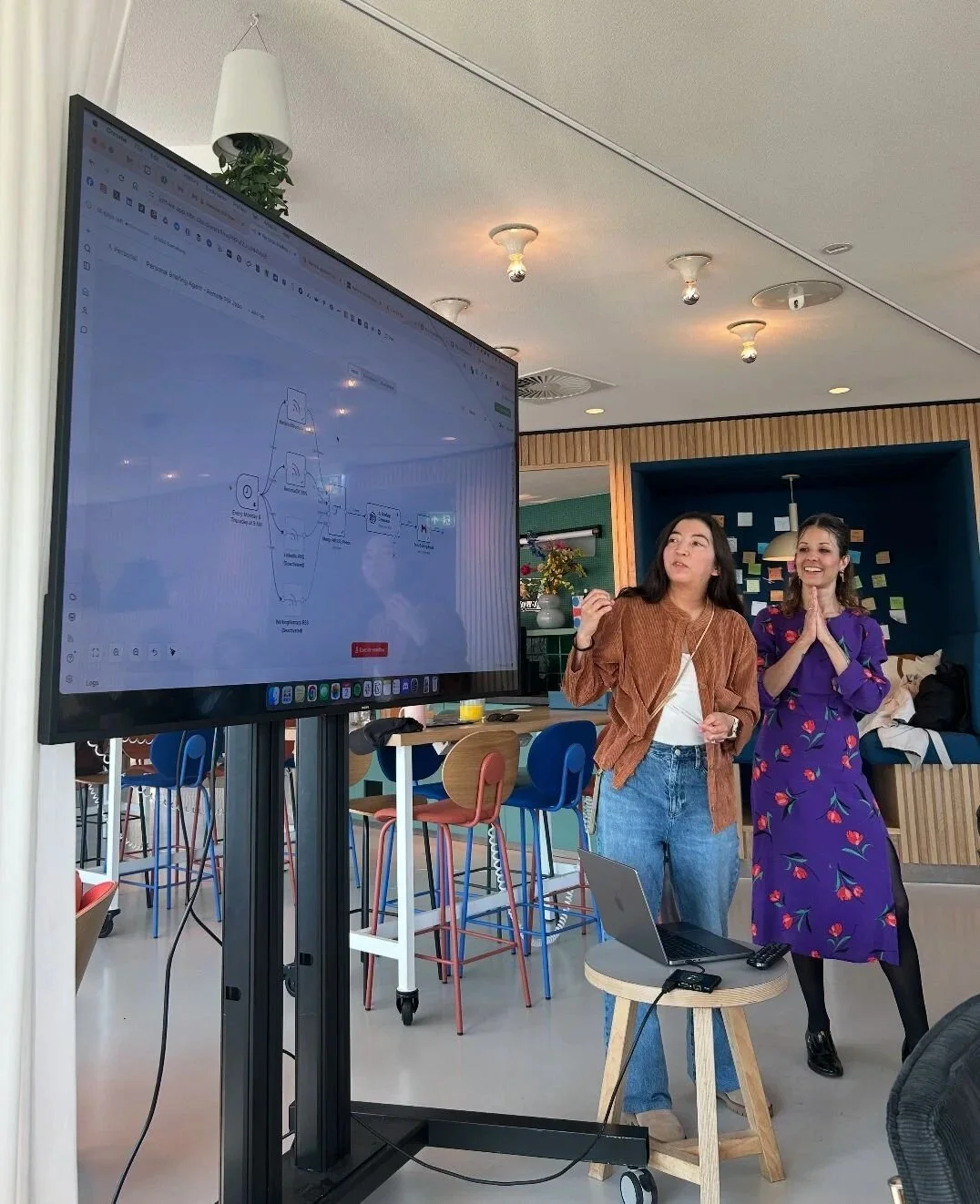
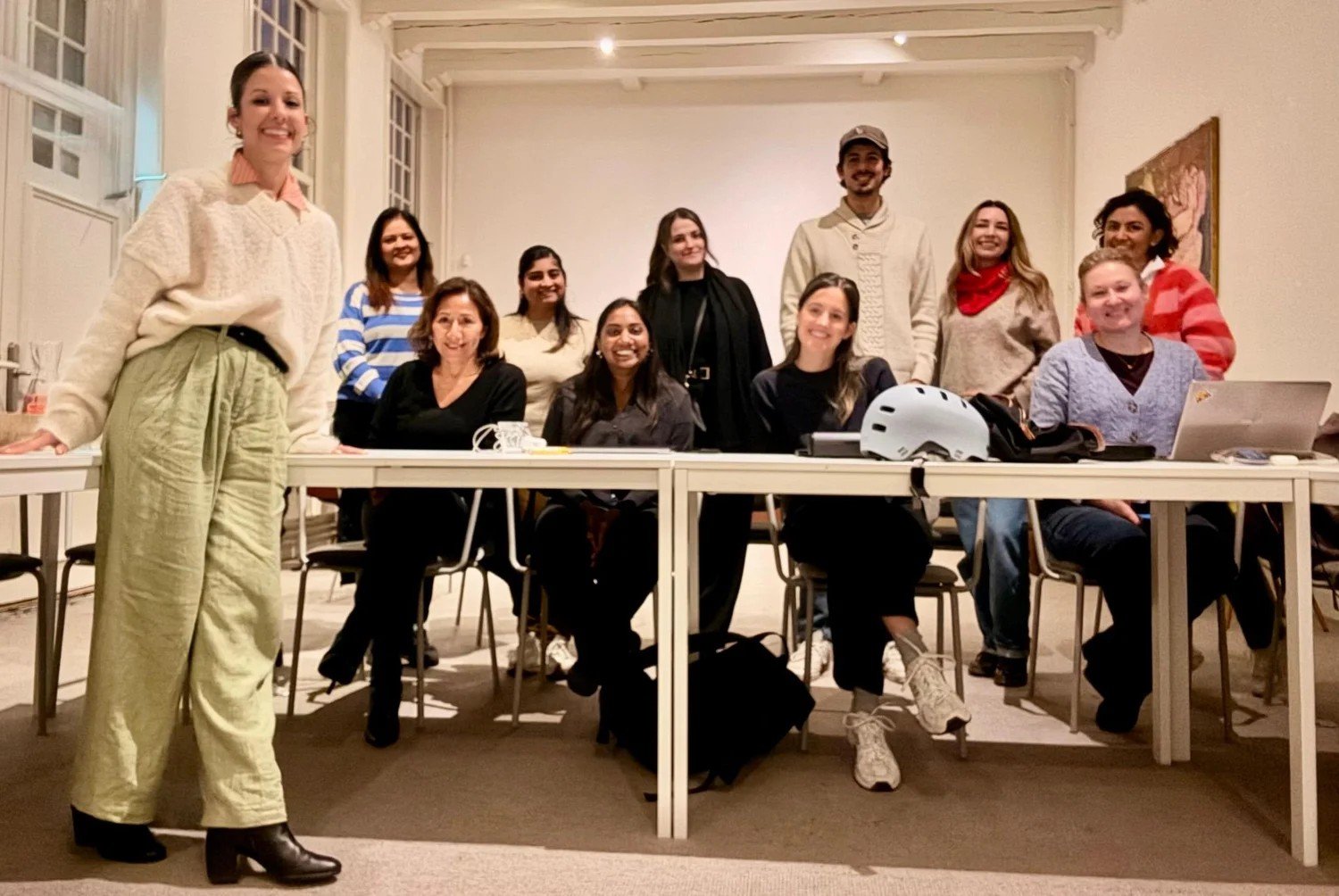
I run practical, hands-on AI literacy programmes for teams in the Netherlands and online, in English. They are built on your people’s real tasks, not a slide deck.
What the EU AI Act asks of employers
Since 2 February 2025, Article 4 of the EU AI Act has required organisations that provide or use AI systems to take measures that support the AI literacy of staff who work with those systems. In 2026 the Digital Omnibus on AI (Regulation (EU) 2026/1744) adjusted the wording, but the direction is the same: if your people use AI at work, you should be helping them understand it.
What the law doesn’t do:
It doesn’t prescribe a specific course or certificate.
It doesn’t require every employee to reach a fixed level.
What it does mean in practice:
Training should fit people’s role, experience and the AI tools they actually use.
You should be able to show what you did: who was trained, on what, and when.
This page is general information, not legal advice. For your specific obligations, check with your legal or compliance team.
CurriculumWhat your team learns
1. How AI works, in plain language
What a large language model is, why it sounds confident even when it’s wrong, and why the same question gives different answers.
2. Using it well on real work
Writing clear briefs (prompts), giving AI your own material, iterating, and choosing between tools such as ChatGPT, Microsoft Copilot, Claude and Gemini.
3. Risks and judgement
Hallucinations and how to catch them, bias, confidentiality and personal data (GDPR), copyright, and when not to use AI.
4. Team norms
Disclosure, checking before sending, what goes in a team AI policy, and who to ask when unsure.
5. Role-specific practice
Separate tracks for communications and marketing, HR, managers, operations and customer service.
Programme formats

AI Literacy Essentials
Half-day, up to 20 people. Best for teams starting out and a company-wide baseline.
AI Literacy for Managers
2–3 hours. Best for leaders who need to guide AI use without being experts.
Role-based tracks
3–6 sessions. Best for L&D programmes that want depth per department.
Train-the-champion
2 sessions + support. Best for building internal AI champions who carry it forward.
Every programme includes:
A short pre-session survey to gauge levels and tools in use
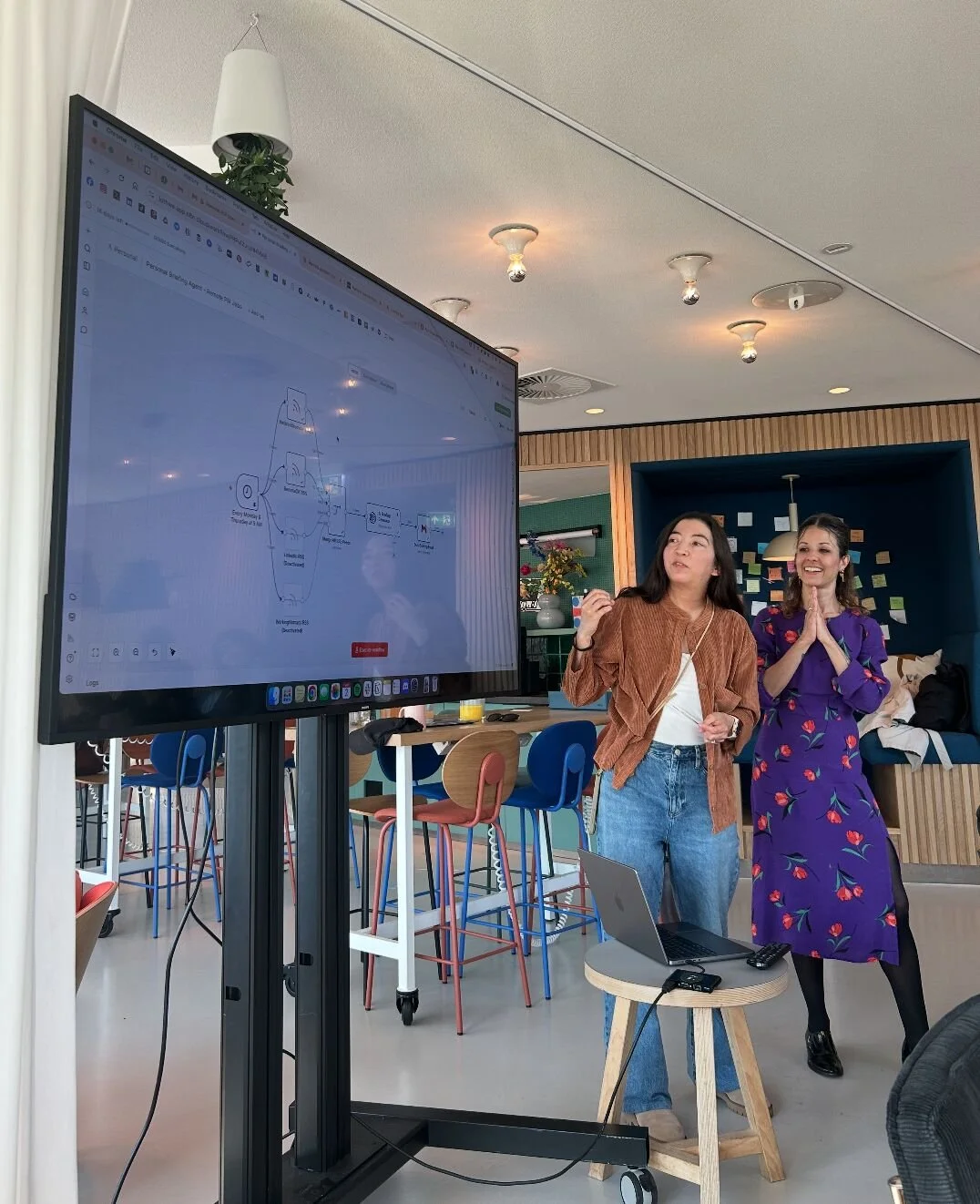
Hands-on exercises on participants’ own tasks
A one-page AI do’s & don’ts for your team
An attendance and content record for your documentation
Follow-up resources and a 30-day practice plan
Why work with me
I teach from practice. I’m building an AI product, Gigi, every day as a non-engineer founder. I know where AI helps and where it fails because I hit both daily.
Communication is the job. 15 years leading PR and internal communications in 100+ countries. Literacy training is behaviour change, and behaviour change is communication.
No fear-selling. People learn better when they feel safe to experiment, so the sessions are hands-on, honest and often fun.
Frequently asked questions
-
Article 4 of the EU AI Act requires providers and deployers of AI systems to take measures to support the AI literacy of their staff. It doesn't prescribe a specific training or certificate. Practical training matched to people's roles is one of the clearest ways to show you've taken those measures.
-
Anyone who uses or operates AI systems on the organisation's behalf. In most companies that now includes everyone using ChatGPT, Copilot or AI features in everyday tools. The depth should match the role and the risk.
-
At minimum: what AI is and how it works, what it's good and bad at, risks such as hallucinations, bias and data privacy, and how to use the specific tools your organisation has approved.
-
Yes. Each programme includes an attendance and content record you can keep with your AI Act documentation.
-
Yes. All programmes run in English as standard, and can also be delivered in German or Portuguese.
What people said


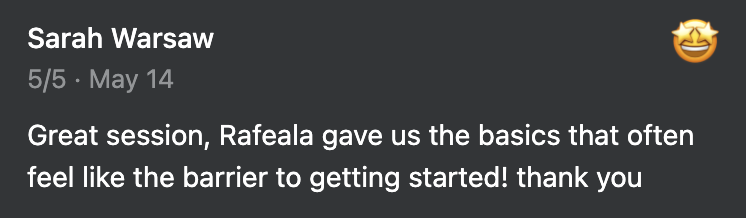

Start with a 20-minute call
Tell me how your teams use AI today. I’ll suggest a programme that fits your size, roles and budget.